How Does PRP Work?
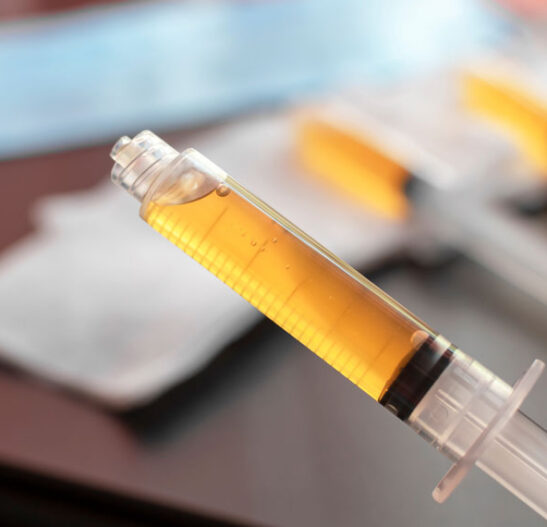
Platelets are best known for their role in blood clotting, but they also carry alpha granules filled with growth factors critical to wound healing. When PRP is injected into the skin or applied topically after microneedling, those growth factors activate fibroblasts (cells that produce collagen and elastin) and stimulate blood flow to the treated area.
This triggers three phases of tissue remodeling:
- First, an inflammatory response draws healing cells to the treated area.
- Next, new collagen fibers begin forming during the proliferation phase.
- Finally, during the remodeling phase, those fibers mature and strengthen over the following three to six months.
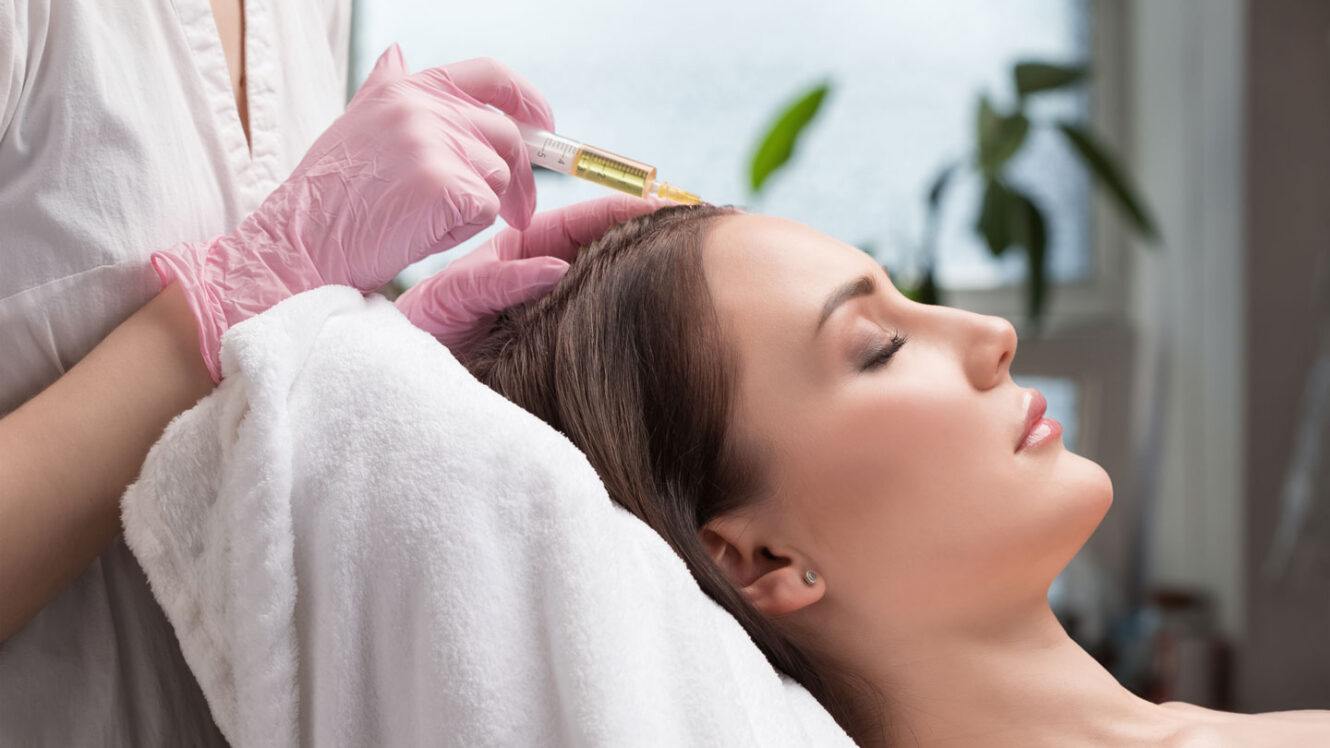
In hair restoration, the same growth factors revitalize weakened follicles by extending the anagen (active growth) phase of the hair cycle. The entire process relies on your body’s own biology, which is why PRP carries minimal risk of allergic reaction or rejection.